May 21, 2026
How I Went From The UK to Producing for Dr. Dre's Son in Hollywood, California
The untold story of a British producer who crossed the Atlantic, and landed placements with West Coast legends — including Curtis Young, the son of Dr. Dre.
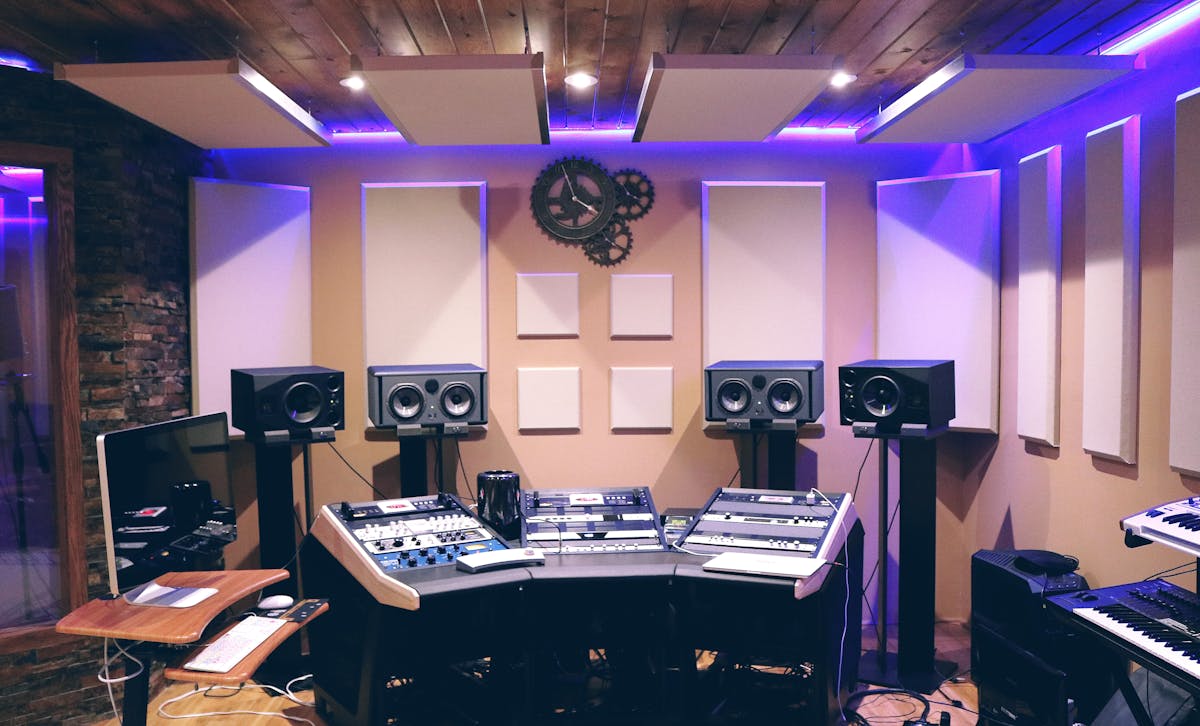
From Grimsby, England to Building With Curtis Young
I'm from Grimsby, England. A small fishing town in the northeast. Growing up there, hip hop was not the first sound around me. I was more into rock music and dance slash EDM. That was the music I heard every day, and at that point in my life, I had no idea that American hip hop would eventually become one of the biggest creative forces in my story.
When we moved to the United States, everything changed. My mother was dating somebody at the time who was a serious hip hop head. He started playing American hip hop in the car on the way to school. Tupac. Makaveli. T.I.P. I'm Serious. Those albums were played so much that I ended up knowing every lyric to every song. I could rap along word for word without missing anything.
That was the first real shift. I went from a kid in England listening to rock and dance music to someone completely locked into hip hop culture, cadence, rhythm, drums, storytelling, and the energy of American records. Once I got into music, I naturally gravitated toward hip hop, especially the West Coast sound. It clicked with me in a way nothing else had before.
That early exposure planted the seed. Years later, that same path would lead me into rooms, sessions, relationships, and creative partnerships I never could have imagined when I was still back in Grimsby.
Rhythm Was Always My Foundation
I've been playing drums since I was ten years old. That matters because my approach to production has always started with rhythm. People have always complimented me on my drums because they are on point, and that comes from actually understanding percussion, not just clicking sounds into a grid.
That drum background became one of my biggest advantages as a producer. Whether I am making West Coast records, East Coast records, trap, R&B, dance, EDM, or music built for film and television, the rhythm has to feel right. The pocket has to move. The drums have to support the artist, not just sound loud for the sake of sounding loud.
On top of that, I've been on computers since 1996. So when it came time to learn a DAW, it felt natural. I already understood music from years of playing, and the computer side made sense to me quickly. That combination of musicianship, rhythm, technology, and instinct is what shaped me into Brit on the Beat.
That is why I never looked at production as just making beats. I looked at it as building records. Drums, melody, arrangement, emotion, energy, artist direction, and the business side all connect. That mindset became important later when my relationship with Curtis Young started developing into something bigger than just one session.
RHYTHM.
VISION.
LEGACY.
Meeting Curtis Young and Building the Relationship
After moving to California, I started networking heavily and getting into sessions with artists, producers, and people connected to the West Coast music scene. Eventually, I was introduced to Curtis Young, the son of Dr. Dre.
What mattered to me was not just the name. Of course, Curtis comes from one of the most important bloodlines in hip hop history, but the relationship became real because we connected creatively and personally. It was not about standing next to a famous name. It was about building music, exchanging ideas, and seeing where the creative chemistry could go.
From there, the relationship with Curtis grew naturally. We spent time working together in the studio, talking about records, discussing direction, and building ideas from the ground up. Some sessions happened in major studio environments, and others happened in more private creative spaces where the focus was less about the room and more about the record.
That is where I learned something important about production. The room matters, but the relationship matters more. If the artist trusts you, the room becomes creative. If the artist does not trust you, even the most expensive studio can feel empty.
The Creative Chemistry With Curtis
Working with Curtis taught me a lot about creative direction. When you are building records with someone connected to that level of West Coast history, you cannot just bring random beats and hope something sticks. You have to understand energy, legacy, pocket, identity, and timing.
I usually start with the drums because that is my foundation. From there, the record develops layer by layer. The melody, the bassline, the bounce, the space for vocals, the hook direction, and the overall feeling all have to line up. Curtis respected that I was not just trying to play beats. I was trying to produce records.
That distinction matters. A beatmaker plays files. A producer helps shape the room. A producer understands when to push, when to pull back, when to let the artist breathe, and when to guide the idea into something more complete.
Over time, Curtis saw more than just my production. He saw how I think. He saw how I organize people. He saw how I communicate in the room. He saw that I can control creative energy without making everything about myself. That became a major part of why the relationship started moving beyond individual songs.
From Production Sessions to Bigger Business Conversations
At first, the focus was music. Beats. Records. Sessions. Ideas. But eventually the conversations became bigger. We started talking about business, leadership, production teams, artist development, executive production, and building something that could last longer than one song.
Curtis respected my production style, but he also respected my business mindset. That meant a lot to me because I have always looked at music as more than just sound. I look at music as structure, relationships, execution, strategy, catalog value, and legacy.
There are a lot of talented producers who can make beats. There are fewer people who can organize a room, bring people together, think ahead, manage creative personalities, and turn scattered ideas into a real direction. That is one of the places where Curtis and I connected.
He understood that I was not trying to be another producer sending files around the internet. I wanted to build something. I wanted to bring producers together. I wanted to create a team that could work on records, develop artists, and eventually move into broader opportunities around production, placement strategy, film, television, and music licensing.
THE PANEL
WAS NEVER
JUST A NAME.
The Panel Production Team
Before working closely with Curtis, I had already started building a production collective called The Panel alongside my late business partner Christopher “Big Knuck” Washington.
Chris and I created The Panel with the vision of bringing talented producers together under one banner. The idea was to create records at a high level, help each other grow creatively, and build a team where different producers could bring different strengths to the table.
The Panel was never just about stacking names. It was about chemistry. It was about putting the right people in the right room and letting the music become bigger than what one person could do alone.
That idea came from a real place. It was not just branding. It was not just a producer group name. It was a vision me and Chris had for building something that could create records, open doors, and give producers a structure to work together instead of everyone moving separately.
Big Knuck’s Legacy
Unfortunately, Chris passed away from a heart attack. That loss hit hard because he was not just a business partner. He was someone I genuinely considered family.
When somebody like that passes, the work you started together does not just disappear. It becomes heavier. It becomes more meaningful. It becomes something you carry differently because now it represents more than an idea. It represents a person, a friendship, and a vision that deserves to be respected.
Chris believed in building. He believed in connecting people. He believed in making things happen. The Panel was part of that vision, and even after he passed, that idea stayed with me.
That is why this story is not just about working with Curtis Young. It is also about honoring what me and Chris started. It is about taking a painful loss and refusing to let the vision die with him.
How Curtis Helped Revive the Vision
After Chris passed, Curtis brought up the idea of reviving The Panel and continuing the vision that me and Chris originally started together.
That meant a lot because Curtis understood that The Panel was not just another producer group. It had history behind it. It had emotion behind it. It had unfinished business behind it.
Curtis believed in both my production and my business mindset. He felt we could build something major together because I know how to control a room, organize people, and push creativity forward, while he brings experience around executive production, artist development, music history, branding, and the entertainment industry.
That combination made sense. My role was never just to make beats. It was to help build structure. Curtis brought a wider perspective from being around legacy, artists, branding, and the business side of music. Together, the conversation became less about one session and more about building a production movement.
What Curtis Saw in Me
One of the reasons the relationship with Curtis became important is because he saw more than just the music.
He respected the beats, but he also respected the way I think. He saw that I could handle a room. He saw that I could speak with direction. He saw that I understood business, not just production. He saw that I could help organize creative people and keep things moving.
That mattered because The Panel needed more than talent. It needed structure. It needed leadership. It needed people who understood that music is creative, but the business around music has to be organized if anything serious is going to happen.
Curtis and I connected on that level. We both understood that a production team cannot just be a group chat full of producers sending beats. It has to have direction, standards, relationships, and a reason to exist.
Why The Panel Matters Now
The music industry has changed. Producers today need more than beat packs and social media posts. They need branding, relationships, collaboration, catalog strategy, content, publishing awareness, and the ability to move across different lanes.
That is why The Panel still matters. A strong production team can create records, develop artists, support film and TV opportunities, build catalogs, and bring multiple creative perspectives into one system.
Since reviving the idea, we have continued expanding by bringing additional producers into the team and building records behind the scenes. The goal has always been bigger than placements. It is about creating a real production movement with strong chemistry, musicianship, business structure, and long-term vision.
This Is Bigger Than One Collaboration
A lot of people look at music relationships like quick opportunities. A session. A photo. A post. A credit. But the real value comes when a relationship turns into trust, and trust turns into building.
That is what happened with Curtis. The connection started with music, but it grew into something bigger. It became about production, business, leadership, legacy, and continuing something that me and Big Knuck originally created.
For me, this chapter is personal. It connects my journey from Grimsby to America, my rhythm background, my love for West Coast hip hop, my work as Brit on the Beat, my relationship with Curtis Young, and the memory of Christopher “Big Knuck” Washington.
That is why The Panel is not just another name in my story. It is a symbol of where I came from, who believed in me, who helped build with me, and where this production journey is still going.
BIG KNUCK
STARTED IT.
WE CARRY
IT.
What This Means for Brit on the Beat
This journey has shaped how I approach music today. I do not look at production as just making a beat and sending it out. I look at production as building relationships, creating direction, understanding the room, and helping turn ideas into records with purpose.
Working with Curtis Young and building The Panel has reinforced that. It has shown me that the producer’s role is bigger than sound. It is about leadership. It is about taste. It is about trust. It is about knowing how to bring people together and make the record stronger because of it.
The same attention to detail that got me from a small fishing town in England to working with Curtis Young and building The Panel production team is the same energy that goes into every record I create.
If you're looking for beats built with that level of intention, go to my beatstore and check out the beats I have for sale.
This is not just about beats. It is about rhythm, vision, legacy, and building something that lasts.
— BritontheBeat
© BritontheBeat • All Rights Reserved • Hollywood, California
Watch More From Brit on the Beat
Continue the conversation with the related video, reel, short, or social post connected to this article.